Strengthening socio-ecological resilience in desert regions
Video
In Egypt's vast desert regions, climate change isn't just a distant threat. It's a daily reality – and a social crisis for local communities. Water scarcity, extreme heat and unpredictable rainfall threaten agricultural production, food security and the livelihoods of entire communities.
Agriculture in the Nile Delta also faces mounting pressure from population growth and urbanization, while 60 percent of Egypt’s food is still being imported. In response, Egypt's government has announced ambitious plans to expand agricultural land by a vast 2.5 million hectares.
However, the earmarked territories in the Western Desert and Sinai Peninsula represent formidable obstacles. Infertile soil, water salinity, scarce freshwater resources and escalating fuel costs. Without innovative approaches, this expansion risks becoming another failed development project, leaving vulnerable communities even more exposed to climate change effects.

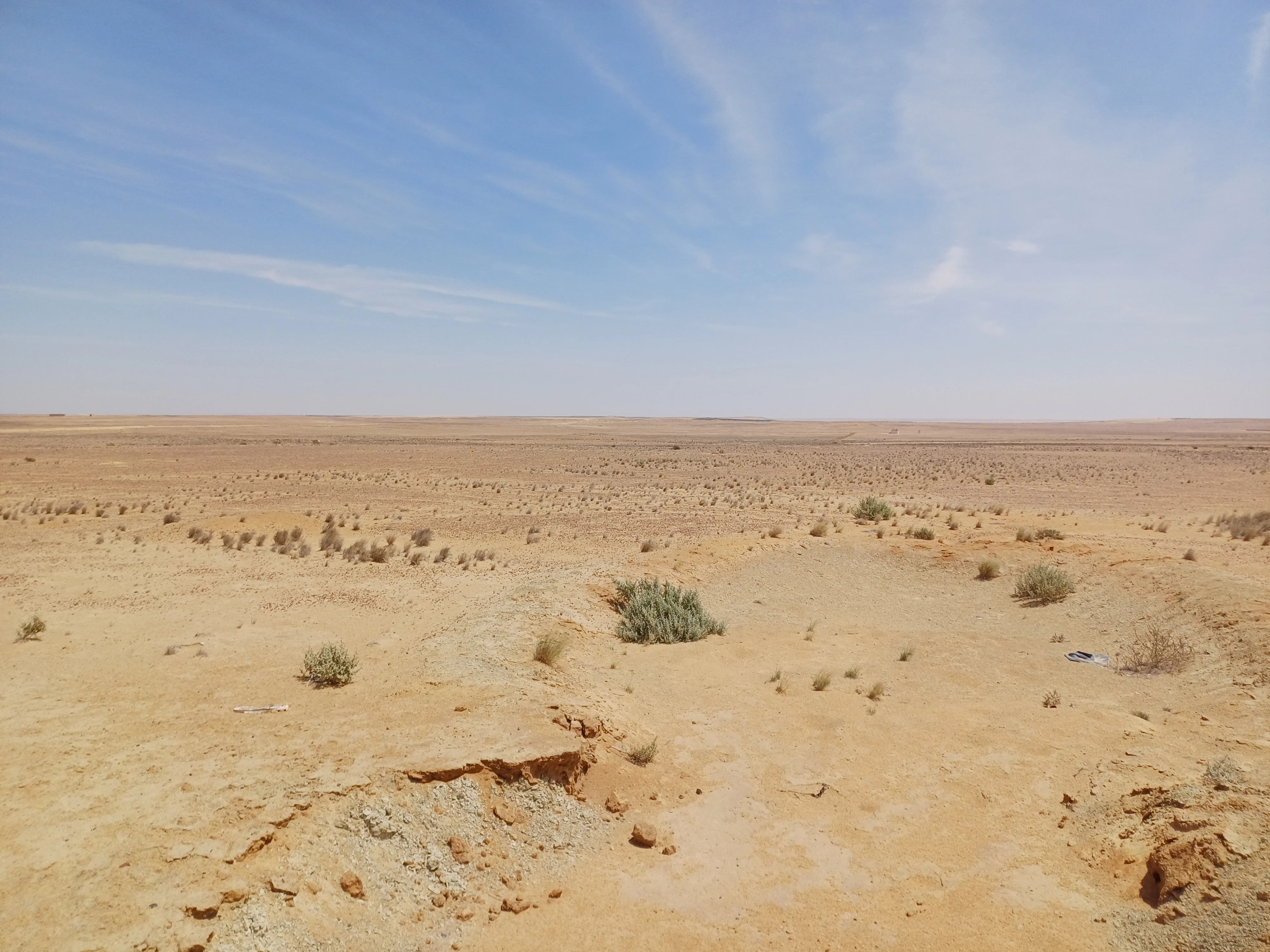
Successful, sustainable outcomes required a fundamental reimagining of the way desert landscapes support human life. ORG is helping to develop a replicable model that will demonstrate how renewable energy, regenerative agriculture and community engagement can transform harsh environments into productive, resilient ecosystems.

The project centers on systemic modeling that integrates agroforestry configurations, renewable energy infrastructure and water management systems. Using advanced analytics, we calculated mitigation, sustainability and adaptation metrics to design the optimal energy-water-food systems for each site's unique conditions, suggesting spatial configurations, labor demand and its ROI. This data foundation ensures that every intervention will maximize resource efficiency while minimizing environmental impact.
An integrated two-prong approach combines renewable energy infrastructure with regenerative farming practices to create self-sustaining agricultural ecosystems that improve over time.

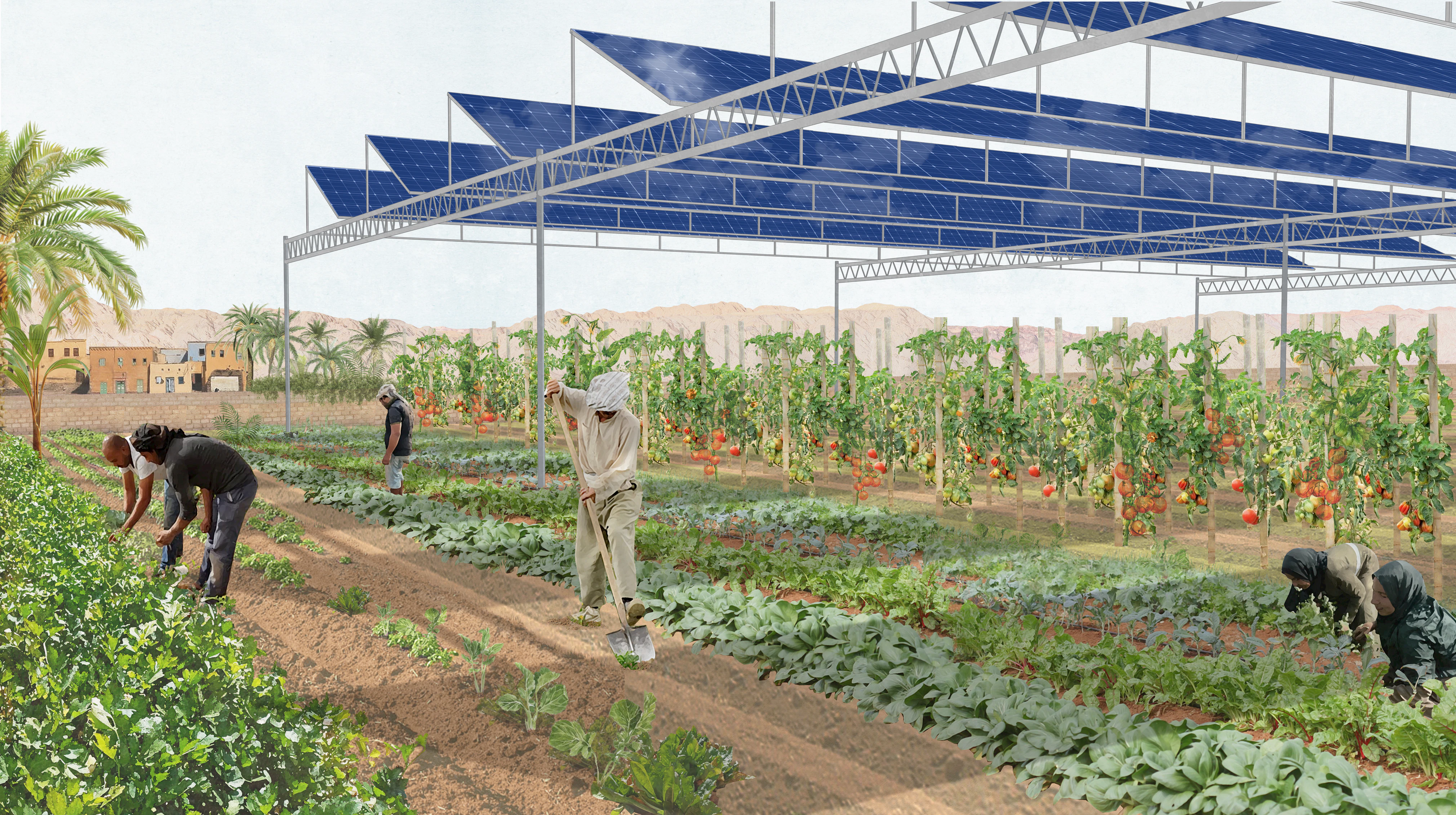
We are setting up two Agri-PV systems, one in Moghra and one in Nuweiba, providing these communities with zero-emission energy. Solar Agri-PV water utilities allow small and medium farmers to benefit from clean energy and precise water supply. Central Operational Monitoring based in Cairo use 3E's SynaptiQ program to track performance and identify operational improvements in real-time.


Climate-adaptive agroforestry techniques transform barren landscapes into productive ecosystems. As part of our community engagement, local farmers are receiving technical assistance and training that covers cultivation of salt-tolerant crops, low-tillage techniques, deficit irrigation strategies and wind protection methods. This knowledge transfer ensures that communities become active stewards of ecosystem restoration rather than passive recipients of technology.
The demonstration projects will show that deserts can become landscapes of abundance rather than scarcity.
The Solar Agri-PV installations serve as the backbone of this transformation. These dual-use systems generate clean electricity while creating optimal growing conditions under photovoltaic panels. The controlled environment reduces water evaporation while protecting plants from temperature extremes and sandstorms. Excess energy is used to power precision irrigation systems and cooling facilities that extend growing seasons and improve crop yield and quality.

Climate-adaptive agroforestry techniques restore soil fertility and create carbon sinks in previously barren landscapes. Salt-tolerant crops like quinoa, moringa and desert-adapted vegetables can thrive in conditions where conventional agriculture fails. Trees provide windbreaks, stabilize soils and create beneficial microclimates that support diverse agricultural activities. The project's impact extends beyond individual farms to catalyze broader regional transformation. It will strenghten Egypt’s food and nutrition security while boosting the economic power, health and overall livelihood of deserts farming communities.

Our long-term vision is to develop a transformative masterplan to upscale these innovations across Moghra and Nuweiba. The plan will include an investment catalogue and governance models, as a novel community-based approach for desert regeneration.

The project is ecological sustainable, using solar energy with up to 90 percent CO2 reduction, reduced reliance on energy grid of diesel generators, efficient land use, 20-30 percent decrease of water evaporation generating 20 percent of savings in water usage. Serving as an example for other regions, the project offers hope for over 60% of the world's desert regions facing similar climate pressures. By proving that regenerative desert agriculture is both economically viable and environmentally beneficial, the project establishes a blueprint for climate adaptation that communities worldwide can adapt to their local conditions.