
The Mobility Optimization Calculator video
Video
As in many other parts of the world, transport remains a major contributor to greenhouse gas emissions and urban congestion across Flanders. Cities and regions are ever more willing to invest in sustainable mobility: think cycling infrastructure, enhanced public transport, or improved rail services. Yet the journey towards the right investment decision is far from straightforward. Urban regions are deluged by dozens or even hundreds of project proposals, each promising to reduce car dependence and deliver measurable environmental benefits on a local level. With no clear way of comparing how effectively these projects deliver region-wide benefits, decision-makers struggle to channel investments wisely.
Even though cities already have access to large volumes of data and sophisticated modelling tools, these technologies are often too slow to support the fast decision-making required for effective, early planning.



At the same time, the lack of a single shared framework for evaluating projects results in a reliance on fragmented analyses, expert intuition, or pressure from local stakeholders. This makes it hard to achieve transparent and consistent outcomes, leaving investment choices open to debate and weakening trust in the planning process.
This was exactly the challenge faced by the Flemish Department of Mobility and Public Works. The department understood that it required a systematic approach to identify projects with the greatest potential to shift people from cars to walking, cycling, and public transport - and deliver the greatest environmental benefits for every euro spent. ORG was brought in to develop both the methodology and the computational model to transform complex mobility data into clear, unified investment guidance that urban planners, stakeholders, and decision-makers could trust and act upon
ORG developed a practical methodology to evaluate sustainable transport projects across three essential dimensions: impact, cost, and risk.
A custom predictive modelling tool combines behavioral assumptions with existing data on regional travel patterns, public transit schedules, and travel times.
It rapidly calculates how effectively each proposed project would replace car trips and kilometers driven with sustainable modes of transport, as well as how much CO₂ and energy each would save. Crucially, short processing time allows to quickly compare hundreds of alternatives in minutes rather than days or even weeks - something traditional traffic models simply cannot achieve.


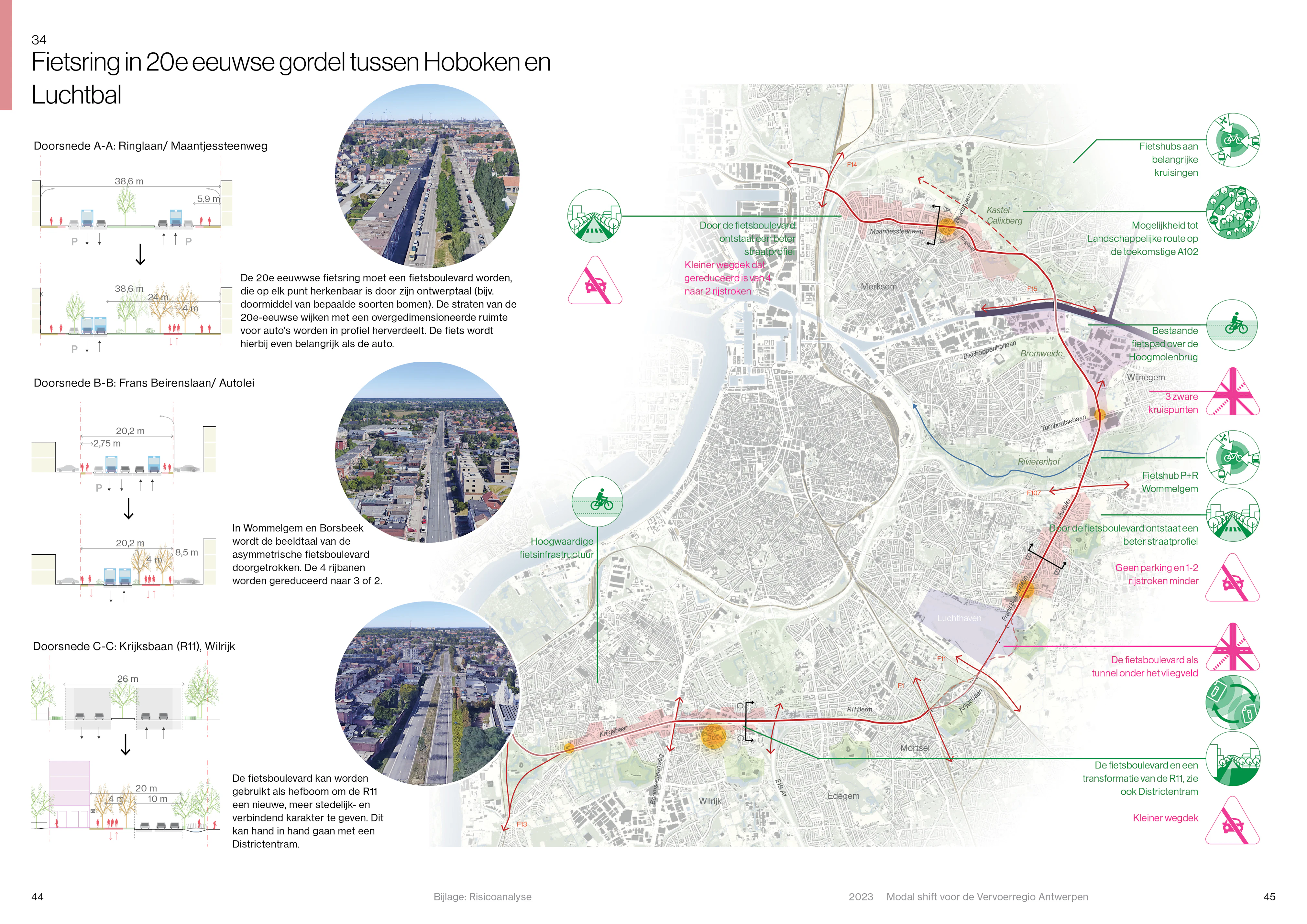
Beyond technical analysis, the model carefully evaluates implementation costs and risks such as potential technical challenges, spatial conflicts, and community sensitivities. ORG’s urban designers produce rapid design sketches for particularly complex proposals, helping stakeholders visualize possibilities and identify potential obstacles early on in the process.
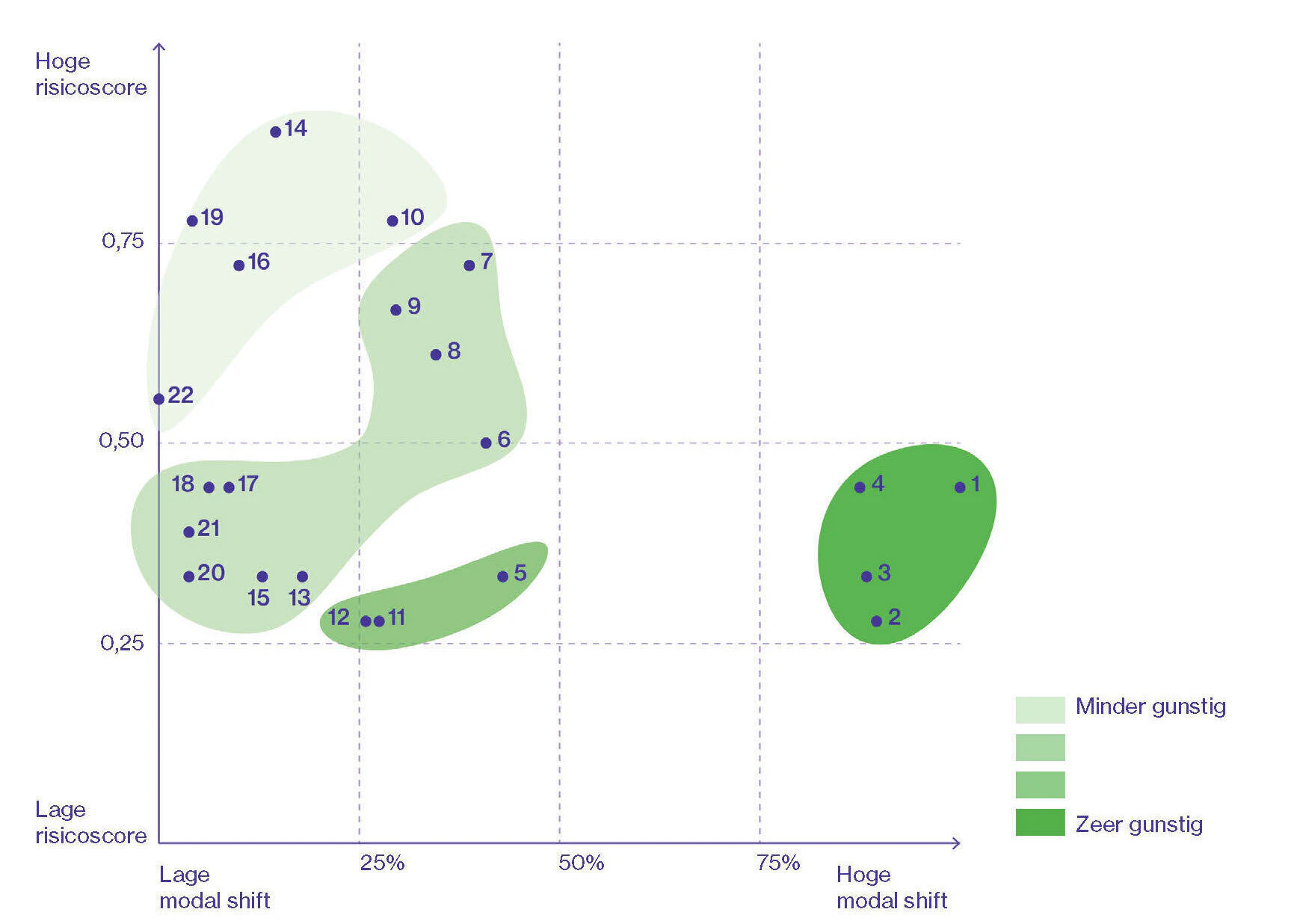
The results are brought together with all related trade-offs in a clear multi-criteria scoring system tailored to reflect local priorities and build consensus around investment priorities: the Investment catalog.

By combining strategic datasets and predictive modelling to test every proposed bike, bus, tram and rail project, ORG has created an investment catalog that clearly shows which projects will reduce the most car trips, unlock the highest CO₂ savings, and fit in with local ambitions.
The analysis is translated into straightforward investment catalogues that transform complex mobility data into clear, actionable choices that advance sustainable transport and reduce car dependence.
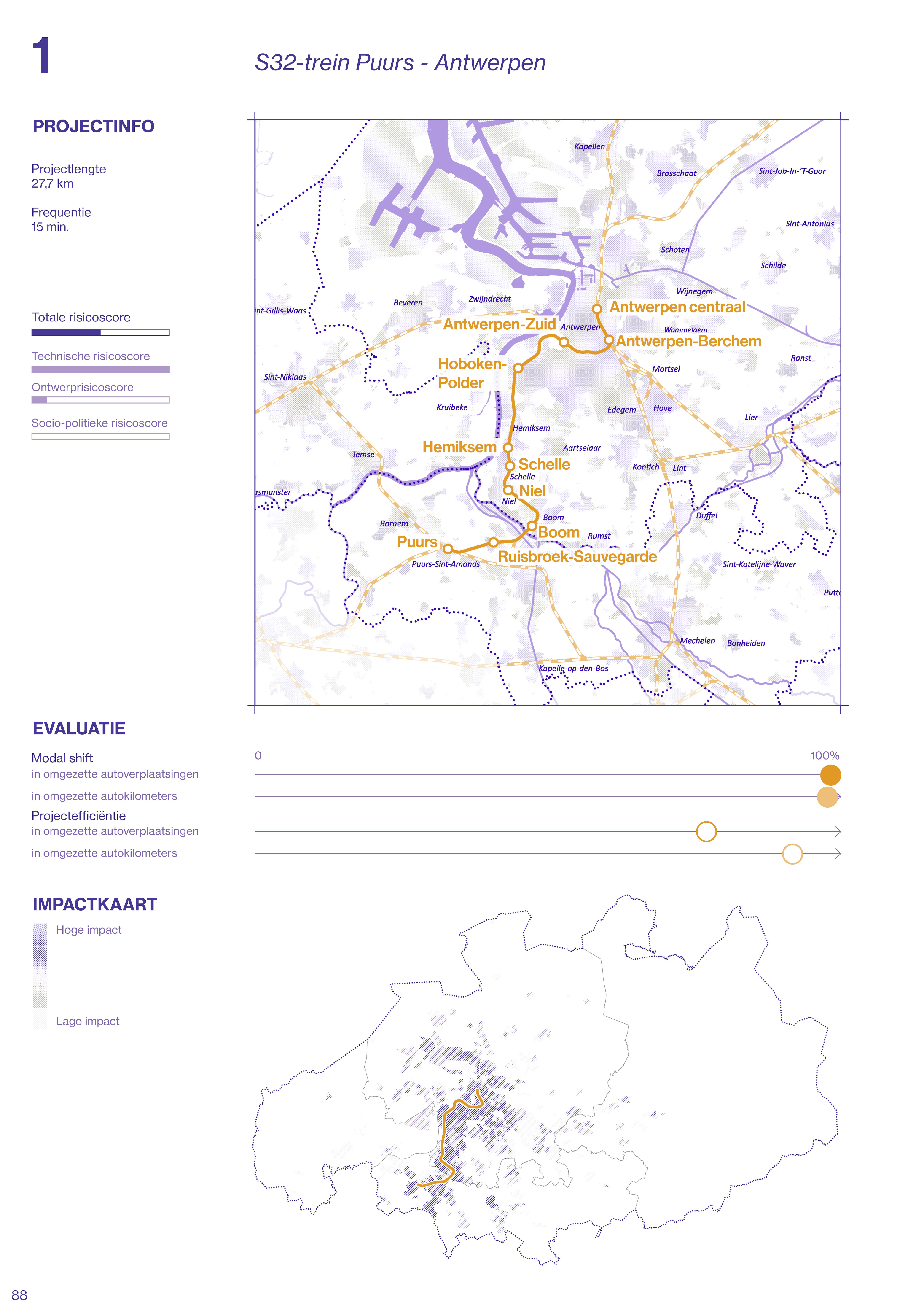
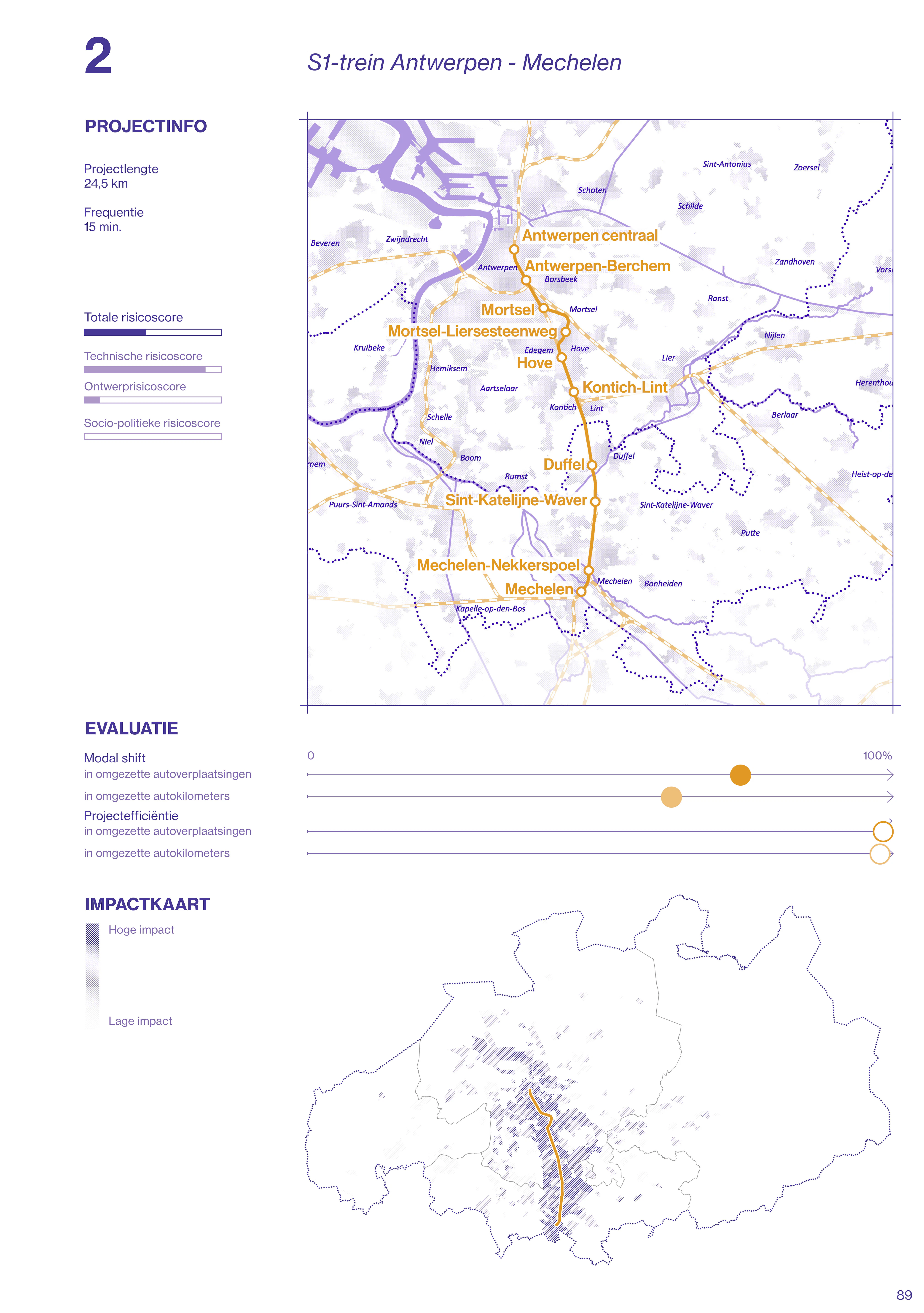
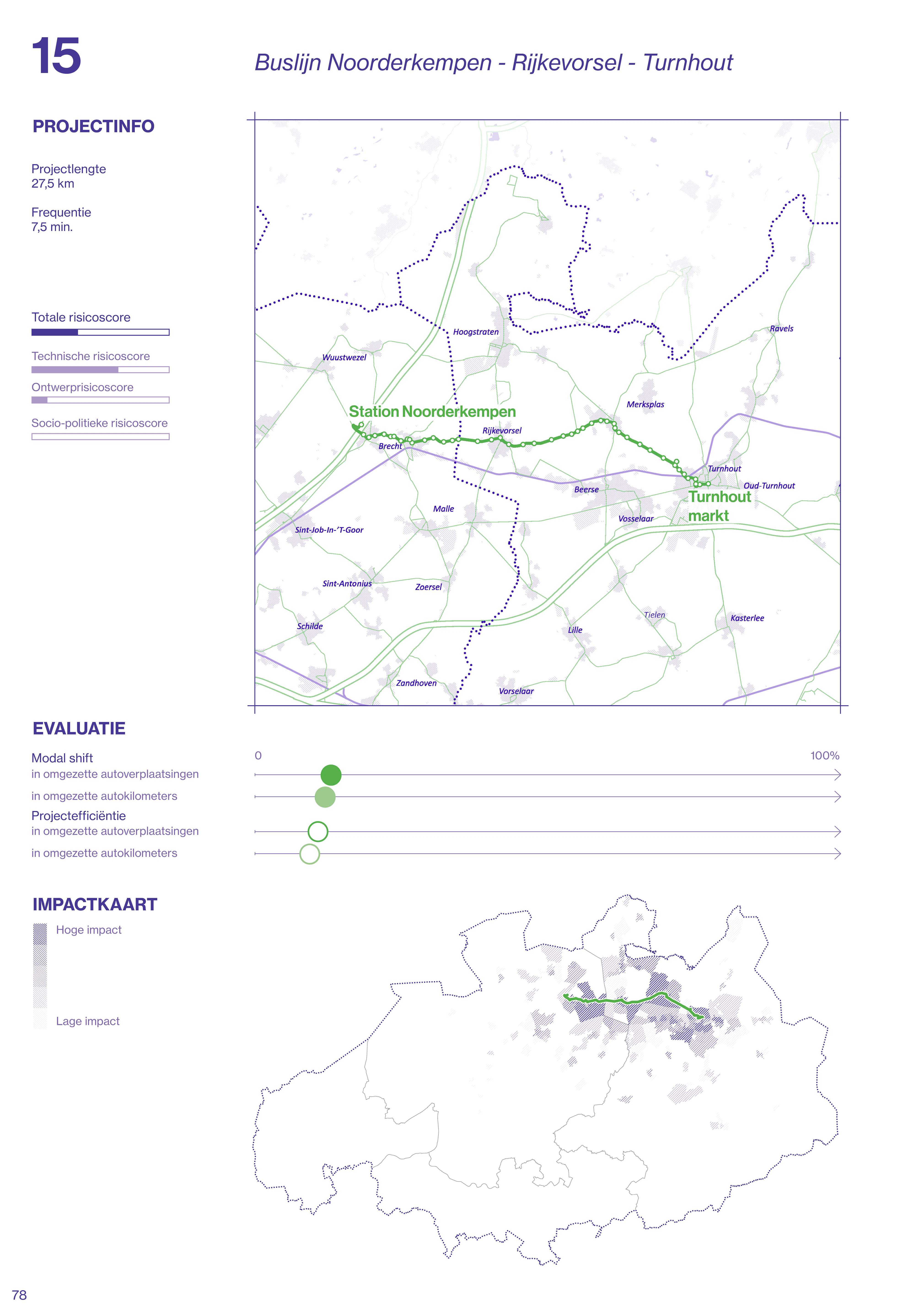
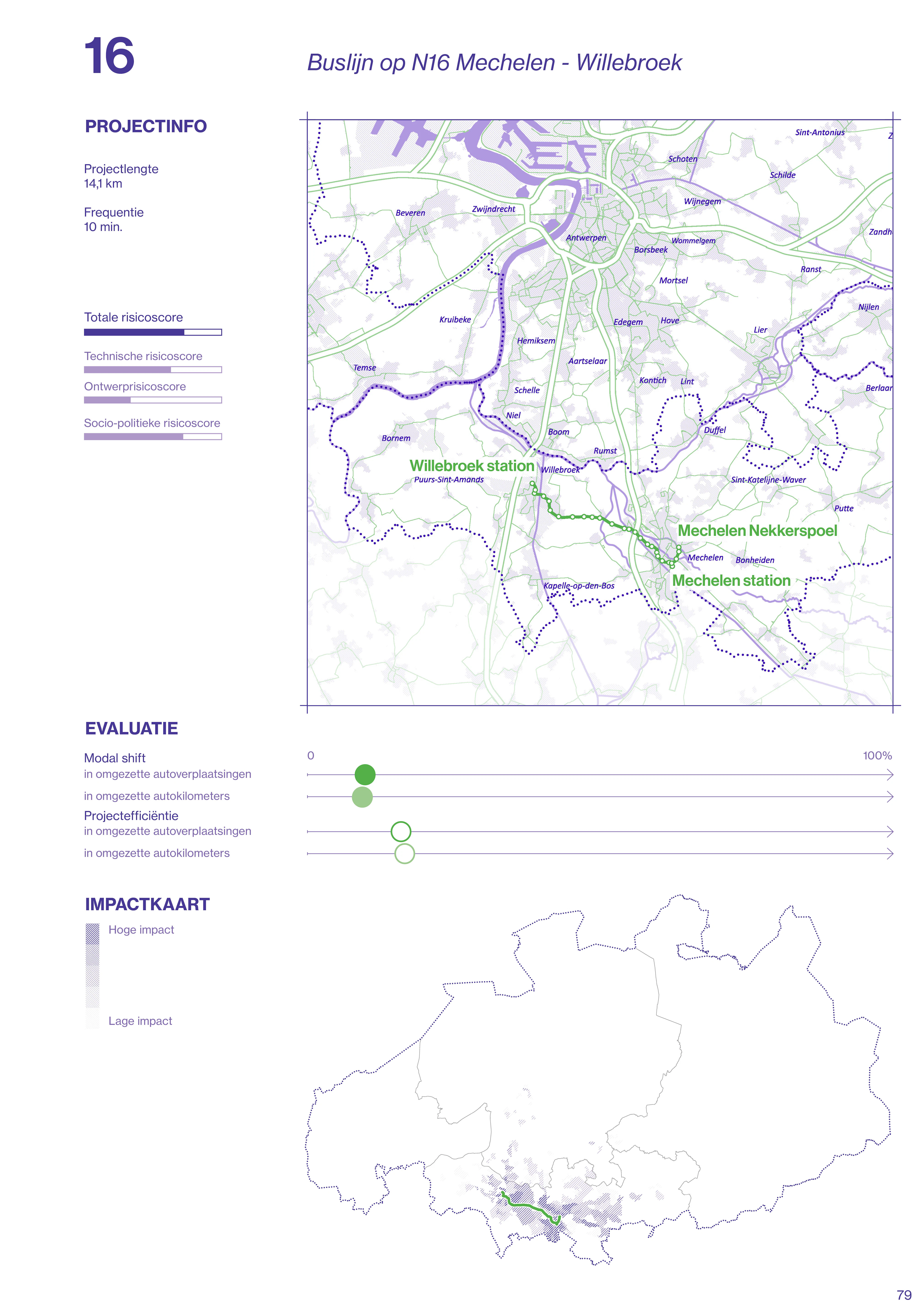
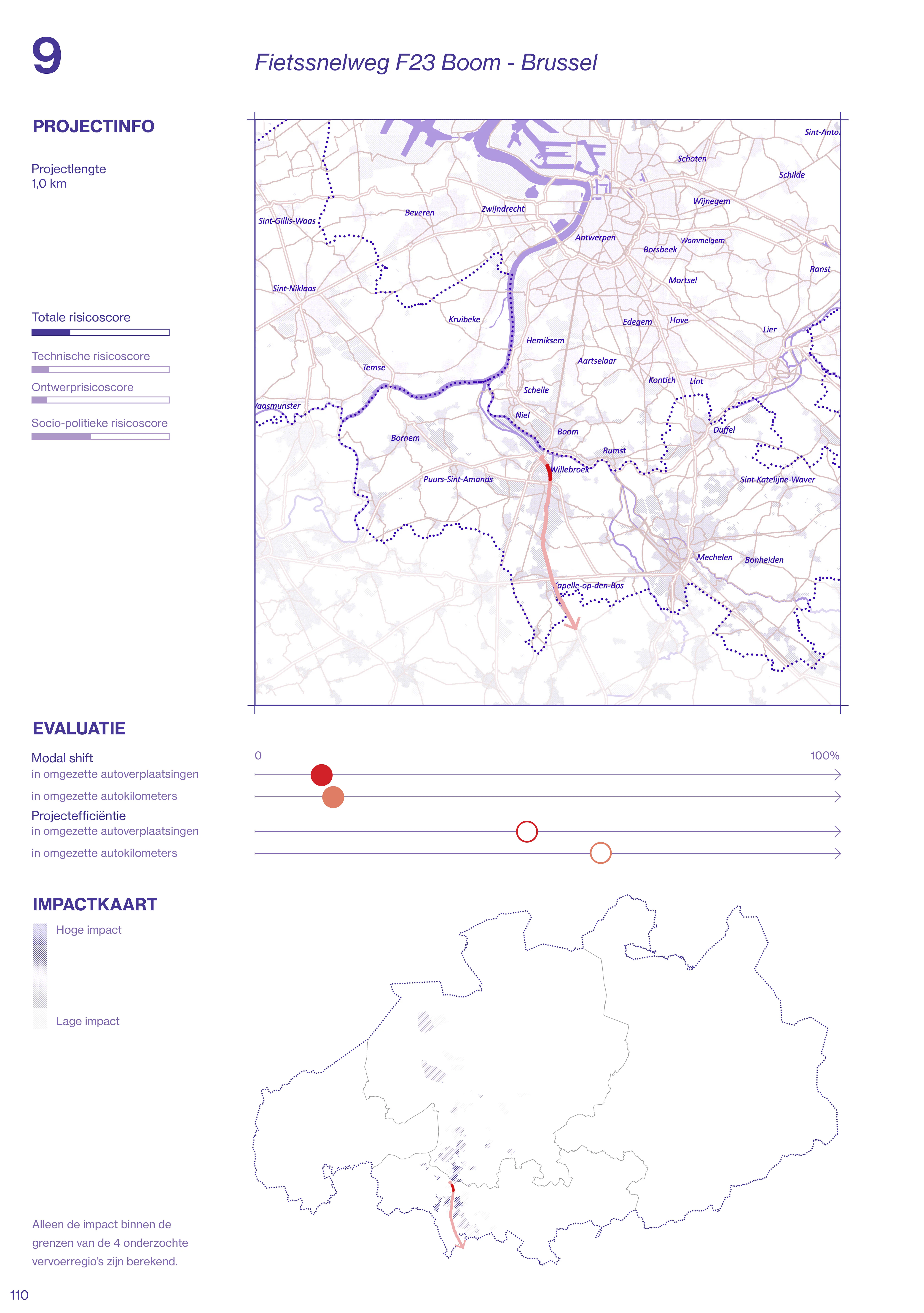


Since planning constantly evolves, we also created a simplified online interface that allows anyone to quickly test new ideas or make adjustments, ensuring decision-making remains informed as conditions change. This democratizes access to sophisticated transport modeling, enabling broader participation in the investment catalog.
We first applied the methodology to accelerate the testing and ranking of more than 80 proposed projects in the Antwerp region. The approach has since been extended to evaluate over 50 larger-scale transport proposals connecting different regions across Kempen, Mechelen, and Waasland.


